FSAG

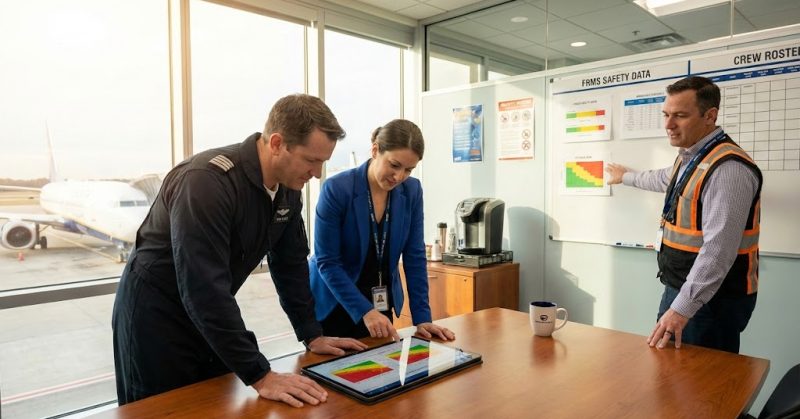
Fatigue Safety Action Group (FSAG): The Practical Role in Aviation Fatigue Risk Management

Fatigue is a persistent safety hazard in aviation. FSAG is a multidisciplinary team that brings together operators, crew representatives, safety specialists and management to identify, assess and reduce fatigue risk. A well-run FSAG supports a fatigue risk management system (FRMS) and links directly into an operator’s safety management system (SMS). This article explains the FSAG’s […]

More Details

IOSA Audit findings are important for compliance.

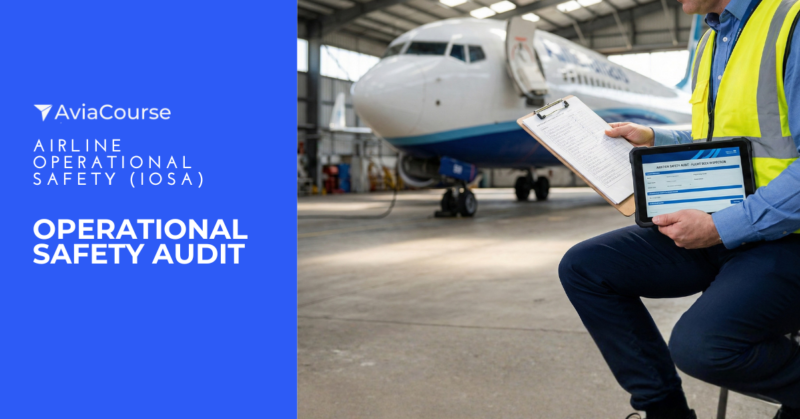
IOSA Audit: 5 Priorities for Effective Corrective Action

The IATA Operational Safety Audit (IOSA Audit) is a benchmark for airline operational safety. When auditors identify issues, they document them in a structured way to guide corrective actions and manage risk. Understanding how IOSA Audit findings are defined and handled helps operators respond proportionately, satisfy regulatory expectations, and maintain IOSA registry status. This article […]

More Details
ERP

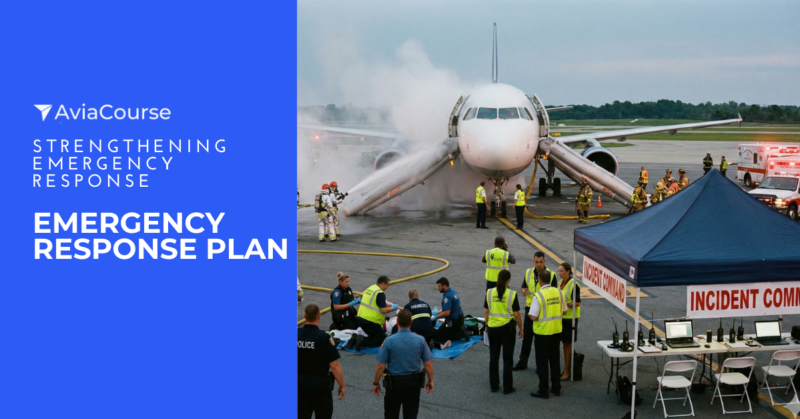
ERP Training: 5 Core Elements for Strengthening Emergency Response Plans

Emergency Response Plans (ERP) are more than documents on a shelf; they are living procedures that save lives, protect assets, and preserve compliance. For aviation organisations, from airlines to aerodromes and ground handlers, ERP training builds the muscle memory and coordination needed to respond quickly and effectively when an incident occurs. Regulators such as ICAO, […]

More Details
FRMS

Eyes Wide Open: A Practical FRMS Guide for Aviation Teams

Introduction Fatigue Risk Management Systems (FRMS) are a practical, data-driven way to manage fatigue across flight, maintenance, and operational teams. This guide explains how aviation teams can build, implement, and sustain an FRMS that works in real operations. Focused on actionable steps, the advice here is tailored for training, operations, and safety managers who need […]

More Details